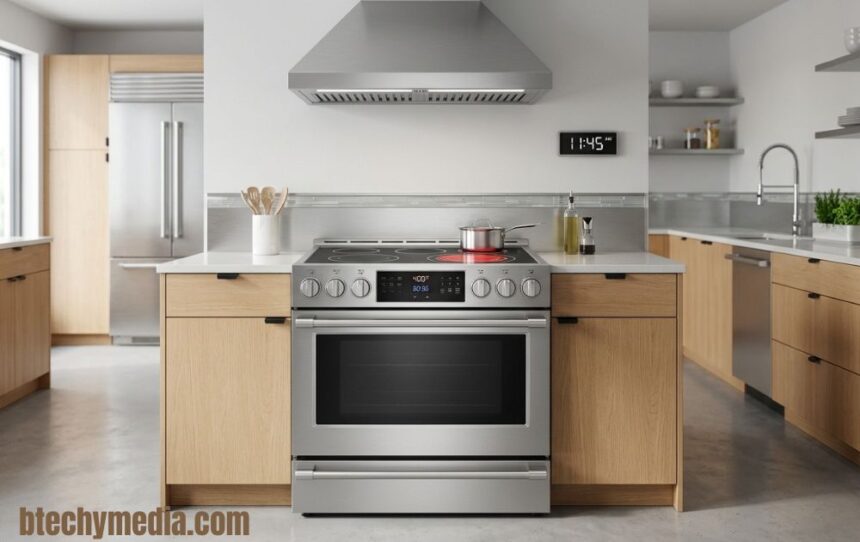
A stainless steel electric range is a practical choice for homeowners who want reliable cooking performance, a modern kitchen appearance, and convenient everyday features. Combining an electric cooktop with an oven, this appliance allows you to prepare several types of meals without needing separate cooking equipment. Its stainless steel finish also complements many kitchen styles, from traditional spaces with wooden cabinets to contemporary interiors with clean lines and neutral colors. Whether you enjoy baking homemade bread, preparing quick breakfasts, or cooking dinner for your family, the right electric range can make daily kitchen tasks easier and more organized.
What Is a Stainless Steel Electric Range?
A stainless steel electric range is a combined cooking appliance featuring an electric cooktop and an oven inside one unit, with a stainless steel exterior or finish. The cooktop uses electricity to heat cookware, while the oven provides controlled heat for roasting, baking, broiling, and other cooking tasks. Depending on the design, the surface may use exposed electric coils, radiant heating elements beneath smooth glass, or induction technology. Stainless steel describes the appliance’s exterior finish rather than the method it uses to produce heat, so two ranges with a similar appearance can perform quite differently. Understanding this distinction helps you compare products based on their actual cooking features rather than appearance alone.
How Electric Cooking Technology Works
Most conventional electric ranges use resistance heating, in which electrical energy heats elements beneath the cooktop surface or inside the oven. Radiant glass-top models transfer heat from elements under the glass to the cookware, making them suitable for everyday frying, boiling, and simmering. Induction ranges work differently by using electromagnetic energy to heat compatible cookware directly, which generally allows faster responses to temperature adjustments. According to Consumer Reports’ range buying guidance, induction cooking offers more responsive control than traditional radiant electric cooking, although it requires suitable magnetic cookware.
Key Features of a Stainless Steel Electric Range
The features available on a stainless steel electric range depend on its model, manufacturer, and price. Entry-level appliances generally focus on essential cooking functions, while more advanced models may provide multiple heating elements, digital controls, convection systems, and specialized cooking modes. Some include fingerprint-resistant finishes that help reduce the appearance of marks on frequently touched surfaces. Others offer large oven windows, storage drawers, delayed-start settings, and temperature probes for more controlled cooking. Before choosing a model, consider which features you will genuinely use rather than paying extra for technology that may add little value to your daily routine.
Smooth-Top and Coil Cooking Surfaces
Electric ranges typically feature either exposed coil burners or a smooth glass-ceramic cooktop. Coil surfaces are familiar, straightforward, and often associated with more affordable appliances, although cleaning around the elements can take additional effort. Smooth-top surfaces create a flatter appearance and make it easier to wipe away spills after the cooktop has cooled. Some models include expandable elements that adjust to different pan sizes, helping distribute heat more appropriately across small and large cookware. Consumer Reports identifies expandable elements as a useful feature found on many radiant electric and induction ranges.
Oven Capacity and Cooking Modes
Oven capacity is another important feature because it determines how much food you can prepare at one time. A larger oven may accommodate wide roasting pans, multiple baking trays, or a substantial family meal, while a smaller cavity can be sufficient for individuals and couples. Convection cooking uses a fan to circulate heated air, which can improve heat distribution and help certain foods cook more evenly. Some modern electric ranges also provide air-fry settings, rapid preheating, variable broiling, and self-cleaning or steam-cleaning programs. These features can make an appliance more versatile, but their effectiveness and availability vary by model, so review the manufacturer’s specifications before buying.
Benefits of Choosing a Stainless Steel Electric Range
A stainless steel electric range combines the functionality of two essential cooking appliances with a finish that suits many modern kitchens. Its integrated design helps conserve space, while the electric cooktop offers familiar temperature settings for preparing everyday meals. Smooth glass-top versions can simplify surface cleaning, and electric ovens are useful for baking cakes, roasting vegetables, and cooking casseroles. The stainless steel appearance also coordinates easily with matching refrigerators, dishwashers, and other kitchen appliances. Although the finish does not automatically improve cooking performance, choosing the right combination of technology, capacity, and design can provide lasting value for your household.
Here are five practical benefits to consider:
- Modern appearance: Stainless steel creates a clean, professional look that works with many kitchen styles.
- Versatile cooking: The combined cooktop and oven support boiling, frying, baking, roasting, and broiling.
- Convenient cleaning: Smooth cooktops and suitable stainless steel cleaners can simplify routine maintenance.
- Flexible features: Available models may include convection, air frying, self-cleaning, and expandable elements.
- Multiple price levels: Basic and premium designs provide options for different budgets and cooking needs.
Electric Range vs. Gas Range
Choosing between an electric range and a gas range depends on your kitchen’s utility connections, cooking preferences, and budget. Electric ranges use electrical heating elements or induction technology, whereas gas ranges burn natural gas or propane to produce heat. Conventional electric cooktops can offer a smooth, easy-to-clean surface, while gas burners provide a visible flame that changes quickly when you adjust the control. Electric ovens are often appealing to people who bake regularly, although actual results depend on the oven design and temperature regulation. Consumer Reports notes that installation requirements are an important factor: many electric and induction ranges need a suitable 240-volt circuit, while gas models require an appropriate gas supply.
Consumer Reports
| Comparison | Electric Range | Gas Range |
| Heat source | Electricity | Natural gas or propane |
| Cooktop styles | Coil, radiant glass, induction | Open gas burners |
| Temperature response | Varies by technology; induction responds quickly | Flame responds quickly |
| Surface cleaning | Smooth tops can be easy to wipe | Burner grates require extra cleaning |
| Installation | Requires compatible electrical service | Requires suitable gas service |
| Power outage | Usually cannot operate normally without electricity | Depends on the model and safe ignition method |
| Best for | Homes with suitable electrical connections | Homes with suitable gas connections |
Neither type is automatically the best choice for every household. If you prefer a flat cooking surface and do not have a gas connection, an electric range may be a sensible option. If your home already has gas service and you prefer flame-based cooking, a gas model may suit you better. Always verify installation requirements and local electrical or gas safety standards before purchasing a new appliance.
Energy Efficiency and Everyday Performance
The energy performance of a stainless steel electric range depends on its heating technology, oven insulation, cooking habits, and the way you use its features. Conventional radiant cooktops retain heat after you switch them off, which can be useful for keeping food warm but makes temperature adjustments slower. Induction models transfer energy directly to compatible cookware, offering faster heating and more responsive control in many situations. Convection ovens can also improve cooking performance by circulating hot air, although actual energy savings depend on the food, temperature, cooking time, and appliance design. If energy efficiency is a priority, compare the specifications of individual models and consider how often you cook, how much food you prepare, and which cooking methods you use most frequently.
Practical Ways to Improve Cooking Efficiency
Small changes in your cooking routine can help reduce unnecessary energy use without sacrificing meal quality. Match the size of your pan to the heating element, keep oven doors closed while food cooks, and avoid preheating for longer than the recipe requires. When possible, prepare several dishes during one oven session instead of repeatedly heating the appliance throughout the day. Clean spills once the cooktop has cooled, because accumulated residue can make routine maintenance more difficult and may produce smoke during later cooking. You should also follow the manufacturer’s instructions for cookware, rack placement, preheating, and temperature settings to get consistent results from your appliance.
How to Choose the Right Stainless Steel Electric Range
The best stainless steel electric range is not necessarily the most expensive model or the one with the longest list of features. Instead, it should suit your kitchen’s available space, electrical setup, cooking habits, and maintenance preferences. Begin by deciding whether you want a conventional radiant cooktop or induction technology, then compare oven capacity, heating elements, control placement, and cleaning options. Look at the warranty, local repair support, and availability of replacement parts as well. A carefully chosen basic range may offer better long-term value than a premium appliance whose advanced functions rarely get used.
Size, Capacity, and Kitchen Layout
Before purchasing a range, measure the width, depth, and available height of the installation space, including the surrounding cabinets and countertop. A 30-inch range is a common option in many US appliance listings, but dimensions vary by model and market, so never assume that a replacement will fit simply because it looks similar to your existing appliance.Check the oven’s usable capacity as well as its external dimensions, particularly if you regularly cook large roasts, bake multiple trays, or prepare meals for a large family. Freestanding ranges generally have finished sides and a backguard, while slide-in models often feature front controls and a built-in appearance. Confirm all required clearances, ventilation arrangements, and electrical connections using the installation manual before placing an order.
Smart Features and Safety Options
Modern electric ranges may include useful features such as digital timers, delayed cooking, Wi-Fi connectivity, temperature probes, child-control locks, and hot-surface indicators. Some connected models allow you to monitor selected settings or receive notifications through a smartphone app, depending on the manufacturer and appliance configuration. However, smart controls should complement reliable basic functions rather than replace them. Look for clear controls, an oven light, a stable door, secure racks, and safety information that is easy to understand. Installation safety matters just as much as convenience: electric ranges can require a dedicated, correctly rated power supply, so have a qualified professional verify the circuit and grounding requirements before installation.
Understanding Stainless Steel Electric Range Prices
The price of a stainless steel electric range varies according to its cooking technology, size, features, finish, and brand. Basic coil or radiant models generally provide essential cooking functions, while premium appliances may include induction cooktops, convection ovens, smart controls, and specialized cooking modes. Retail listings provide a useful illustration of the differences: the US Home Depot listings reviewed for this guide included conventional models around 629–779 and selected higher-feature models above $1,000, with some premium induction ranges costing considerably more. These are examples of listed prices, not universal market averages, and promotions, location, availability, and installation costs can change the final amount.
The Home Depot+1
| Price consideration | What to check |
| Purchase price | Compare appliances with similar capacities and cooking technologies. |
| Installation | Confirm electrical work, delivery, removal, and fitting charges. |
| Energy use | Consider your cooking frequency and the appliance’s specifications. |
| Maintenance | Check cleaning requirements and the availability of replacement parts. |
| Warranty | Review coverage, duration, exclusions, and local service options. |
When comparing prices, calculate the complete cost rather than focusing only on the advertised discount. A cheaper appliance may be an excellent choice if it offers the functions you need and has reliable local service. Conversely, spending more can make sense if a better cooktop, larger oven, or useful safety feature addresses a specific requirement in your household.
Cleaning and Maintenance Tips
Regular cleaning helps a stainless steel electric range retain its appearance and remain pleasant to use. Before cleaning, switch off the controls and allow the cooktop and other heated surfaces to cool completely. Use warm water, mild dish soap, and a soft cloth for routine cleaning of compatible stainless steel exterior surfaces, then rinse and dry them to prevent water marks. Wipe in the direction of the metal grain and avoid abrasive pads, steel wool, and harsh chlorine-based products that may damage the finish. Manufacturer guidance also emphasizes that cleaning products suitable for stainless steel exteriors may not be appropriate for glass cooktops, plastic controls, or fingerprint-resistant coatings, so check the manual for your particular model.
A Simple Maintenance Routine
Following a consistent cleaning schedule can help prevent stubborn residue from building up and make appliance care less time-consuming. Wipe splashes from the exterior after cooking, clean the glass surface with an approved cooktop cleaner when necessary, and inspect the oven interior for accumulated grease or food debris. Use the self-cleaning or steam-cleaning function only if your model provides it, and follow all instructions about removing racks, ventilation, and preparing the oven. Never pour water onto a hot glass surface or use cookware with rough bottoms that could scratch it. If you notice a cracked cooktop, damaged electrical cord, repeated breaker trips, or unusual electrical behavior, stop using the appliance and arrange a professional inspection rather than attempting an unsafe repair.
Common Buying Mistakes to Avoid
One common mistake is choosing a stainless steel electric range based on its appearance without checking its technical specifications. A stylish finish cannot compensate for an oven that is too small, controls that are inconveniently positioned, or a cooktop that does not match your preferred cooking method. Another mistake is overlooking installation requirements, especially when replacing a gas appliance with an electric one or upgrading to a higher-powered model. Buyers may also pay extra for Wi-Fi, air frying, or multiple cooking modes without considering whether those features will actually be used. Before making a decision, compare capacity, dimensions, heating performance, cleaning requirements, warranty coverage, and the total installed cost.
Conclusion
A stainless steel electric range can be a valuable addition to a kitchen when its cooking features, design, and installation requirements match your household’s needs. It offers the convenience of a combined cooktop and oven, while its versatile exterior finish complements many kitchen designs. From affordable conventional models to advanced induction ranges with convection and smart features, there are options for different budgets and cooking preferences. The key is to look beyond appearance and compare heating technology, oven capacity, safety features, cleaning requirements, warranty coverage, and total cost. With the right research and proper maintenance, you can choose a stainless steel electric range that supports everyday meals and special cooking projects for years to come.
FAQs About stainless steel electric range
1. Is a stainless steel electric range a good choice for a modern kitchen?
Yes, it combines a versatile cooking appliance with a contemporary finish that complements many cabinet styles and other kitchen appliances.
2. What is the difference between a stainless steel electric range and an induction range?
A stainless steel electric range may use radiant or coil heating, while an induction range uses electromagnetic energy to heat compatible cookware directly; induction models can also have a stainless steel finish.
3. How do you clean a stainless steel electric range?
Allow heated surfaces to cool, then use mild soapy water and a soft cloth on compatible exterior surfaces, following the manufacturer’s cleaning instructions.
4. What size stainless steel electric range should I buy?
Choose a size that fits your kitchen measurements, electrical setup, and cooking needs, and verify the exact dimensions before purchasing.
5. Are stainless steel electric ranges energy-efficient?
Their energy performance varies by model and cooking technology, with induction offering efficient heat transfer and conventional radiant elements retaining heat after use.