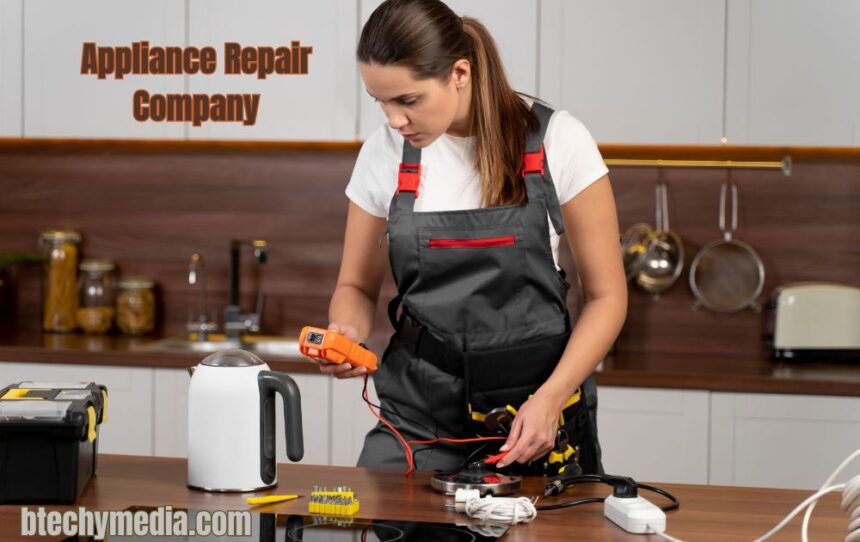
An appliance repair company helps homeowners and businesses restore the performance of essential household equipment, including refrigerators, washing machines, dryers, ovens, dishwashers, and air conditioners. These appliances make everyday life easier by saving time, reducing manual work, and improving comfort. However, even well-maintained machines can develop problems because of regular use, electrical fluctuations, worn components, blocked filters, or inadequate maintenance. When an appliance stops working, the inconvenience can affect your entire routine, from preparing meals to washing clothes and keeping food fresh. A professional repair service can inspect the equipment, identify the underlying fault, and recommend a practical solution based on its condition and repair cost.
Common Services Offered by an Appliance Repair Company
A professional appliance repair company may handle a wide range of equipment, depending on its technicians’ training and available tools. Services commonly include diagnosing mechanical faults, replacing damaged components, addressing drainage problems, repairing control systems, and testing equipment after the work is completed. Some companies provide in-home appointments, allowing technicians to inspect large appliances without requiring customers to transport them. Others also offer installation, preventive maintenance, and advice on improving appliance performance. Before scheduling a visit, confirm that the company works with your appliance type, brand, and model, as newer machines may use specialized electronic controls and components.
Refrigerator and Freezer Repair
Refrigerators and freezers play an essential role in food storage, so a malfunction can quickly become a serious inconvenience. Common warning signs include insufficient cooling, excessive frost, water leaking onto the floor, unusual humming sounds, and doors that do not seal correctly. A qualified technician can inspect temperature controls, door gaskets, fans, defrost components, and other relevant parts to identify the cause. The correct solution depends on the specific fault rather than the symptom alone. If your refrigerator stops cooling, avoid repeatedly adjusting its settings or opening internal panels, and protect perishable food by following appropriate food-safety guidance while arranging professional assistance.
Washing Machine and Dryer Repair
Washing machines and dryers simplify laundry, but problems such as excessive vibration, water leakage, failure to drain, unusual noises, or a drum that will not spin can interrupt household routines. An appliance repair technician can examine hoses, pumps, belts, motors, door locks, and electronic controls where appropriate. Sometimes, the issue is relatively simple, such as an unbalanced load or a blocked filter; other faults require component replacement or more detailed testing. Dryers that produce a burning smell or show signs of overheating should be switched off immediately. Professional inspection can help determine whether the appliance needs a repair, cleaning, or replacement part before it returns to normal use.
Oven, Stove, and Dishwasher Repair
Kitchen appliances need to work safely and consistently because they are directly involved in food preparation and cleaning. An oven may fail to heat evenly, a stove may have ignition problems, or a dishwasher may leave dishes dirty and water standing at the bottom. These symptoms can result from damaged heating elements, blocked filters, faulty sensors, drainage issues, or other component failures. A trained technician can assess the appliance and explain which repairs are necessary. Gas appliances and electrical heating systems require particular care because incorrect repairs can create fire, shock, or gas-leak hazards. For these problems, professional service is a safer choice than attempting an internal repair without suitable training.
Benefits of Hiring a Professional Appliance Repair Company
Hiring a professional appliance repair company helps keep household appliances safe, efficient, and reliable while reducing unnecessary expenses.
-
Saves Money: Repairing faulty appliances can be more affordable than purchasing new ones.
-
Extends Appliance Lifespan: Professional repairs help appliances last longer when properly maintained.
-
Ensures Safety: Trained technicians can identify electrical, gas, and mechanical problems safely.
-
Saves Time and Effort: Professional services diagnose problems and provide suitable repair solutions.
-
Provides Reliable Results: Experienced technicians use appropriate tools and replacement parts to restore appliance performance.
Cost Savings and Extended Appliance Lifespan
Repairing an appliance can be more economical than purchasing a replacement, especially when the equipment is relatively new and the fault is limited to a replaceable component. For example, replacing a worn washing machine pump may cost considerably less than buying an entirely new machine. Timely repairs can also prevent certain minor problems from developing into more expensive failures. Nevertheless, repair is not always the best financial decision. An older refrigerator with repeated cooling problems or a machine requiring an expensive control board may be more practical to replace. A trustworthy company should explain the likely costs and expected benefits so that you can compare both options before making a decision.
Safety, Convenience, and Reliable Results
Professional repair services offer an additional layer of safety when appliances involve electricity, gas, water, heat, or heavy moving components. Incorrect wiring, unsuitable replacement parts, or poorly completed repairs may cause further damage and create risks for household members. Trained technicians can follow appropriate procedures, use suitable equipment, and test relevant functions after completing the work. Convenience is another advantage because many companies offer appointments at the customer’s home, reducing the need to transport large machines. If an appliance remains under the manufacturer’s warranty, check the warranty conditions and authorized-service requirements before arranging independent repairs, as certain work may affect coverage.
Signs Your Home Appliance Needs Professional Repair
Household appliances often show warning signs before they stop working completely. Recognizing these changes early may help you arrange an inspection before the problem becomes more disruptive. For example, a refrigerator that struggles to maintain its temperature, a washing machine that repeatedly stops mid-cycle, or an oven that heats unevenly may need professional attention. Other signs include unexplained increases in electricity consumption, persistent water leaks, repeated error codes, and unusual grinding or buzzing noises. Although some problems result from incorrect settings or simple maintenance issues, recurring symptoms deserve careful investigation. If you notice smoke, sparks, a burning smell, or a suspected gas leak, stop using the appliance and follow appropriate emergency safety procedures rather than continuing to test it.
How to Choose the Right Appliance Repair Company
Finding a reliable appliance repair company requires more than comparing the first few prices you see online. Start by looking for businesses that clearly describe their services, identify the appliance brands they support, and explain how customers can arrange appointments. Read reviews across multiple sources, paying attention to comments about punctuality, communication, repair quality, and how the company handles complaints. You can also ask friends or family members for recommendations based on their own experiences. Before approving the work, request an explanation of the diagnosis and a written estimate that identifies the expected charges. These steps make it easier to compare providers fairly and choose one that suits your requirements.
Experience, Reviews, and Qualifications
A technician’s experience can be especially important when repairing modern appliances with complex electronic systems. Ask whether the company has worked on your specific brand and model, and whether its technicians have relevant training or manufacturer authorization where required. Customer reviews may reveal recurring strengths or concerns that are not obvious from advertising alone. Look for detailed feedback describing the actual service experience rather than relying entirely on star ratings or promotional testimonials. It is also reasonable to ask how the company protects your property during a visit and whether it carries appropriate insurance where applicable. A professional provider should answer these questions clearly without pressuring you to book immediately.
Pricing, Warranties, and Service Guarantees
Before scheduling an appointment, ask whether the company charges a diagnostic fee, a travel fee, or a minimum service amount. Find out whether the inspection charge is included in the final repair bill and whether additional visits may incur extra costs. After diagnosing the problem, the technician should explain the proposed work and provide an estimate before replacing components. Ask whether the price includes parts, labor, and testing, and request written details of any warranty offered. Coverage varies by provider, so confirm its duration, exclusions, and claim process instead of assuming every repair includes the same protection. Keep your invoice and any warranty documents in case you need follow-up service.
Appliance Repair vs. Replacement
Deciding whether to repair or replace an appliance involves more than looking at the immediate service charge. Consider the appliance’s age, general condition, energy efficiency, repair history, availability of parts, and estimated cost of the proposed work. A relatively minor repair may be sensible for a machine that has otherwise performed reliably. In contrast, repeated breakdowns or a major component failure may justify purchasing a replacement. The comparison below provides a practical starting point for your decision.
| Factor | Repair | Replacement |
| Initial cost | Often lower for minor faults | Usually higher upfront |
| Appliance age | Suitable for many newer machines | Worth considering for older equipment |
| Repair history | Better when breakdowns are uncommon | Better to consider after repeated failures |
| Parts availability | Depends on model and component supply | New equipment may offer more readily available support |
| Energy efficiency | Existing performance may remain unchanged | A more efficient model may reduce energy use |
| Long-term value | Good when repair restores reliable operation | Good when repair costs approach replacement value |
A useful approach is to ask the technician for the total estimated repair cost and compare it with the price of a suitable replacement. Include delivery, installation, disposal, expected energy use, and any warranty differences in your calculation. You should also consider whether the replacement offers features you genuinely need. Avoid replacing an appliance solely because of one minor fault, but do not continue paying for repeated repairs without reviewing the overall cost. The best decision is the one that balances affordability, reliability, safety, and expected future performance.
Tips for Maintaining Household Appliances
Regular maintenance helps household appliances work efficiently, last longer, and avoid unnecessary repair costs.
-
Clean Appliances Regularly: Remove dust, grease, and debris to keep appliances clean and functioning properly.
-
Check Filters and Vents: Clean washing machine filters, dishwasher filters, and dryer lint filters as recommended by the manufacturer.
-
Avoid Overloading: Follow the recommended capacity for washing machines, dryers, and dishwashers to prevent excessive strain.
-
Inspect Cords and Hoses: Check for visible damage, leaks, or wear, and arrange professional repairs when necessary.
-
Schedule Professional Maintenance: Contact an experienced appliance repair company when you notice unusual noises, poor performance, or recurring problems.
Why Local Appliance Repair Services Can Be a Practical Choice
A local appliance repair company can be a convenient option when you need help without waiting for a distant service provider. Local technicians may be familiar with common appliance brands in the area and can sometimes arrange appointments more easily. Before booking, confirm the company’s service coverage, expected arrival time, inspection fee, and availability of the required parts. Do not assume that every local provider offers emergency visits or same-day repairs; ask about these services directly. A nearby company with clear communication and a dependable service process can make appliance maintenance easier to manage.
Conclusion
An appliance repair company can help restore the performance of essential household equipment, reduce unnecessary replacement costs, and make everyday routines more convenient. From refrigerator and washing machine repairs to oven, stove, and dishwasher servicing, professional assistance can address many common appliance problems. The key is to choose a company with relevant experience, transparent pricing, appropriate qualifications, and clear warranty terms. Regular maintenance can also support reliable operation and help you identify warning signs before they become more serious.
FAQs About appliance repair company
1. What Does an Appliance Repair Company Do?
An appliance repair company diagnoses and repairs household equipment such as refrigerators, washing machines, dryers, ovens, stoves, and dishwashers.
2. How Do I Choose a Reliable Appliance Repair Company?
Check customer reviews, technician experience, relevant qualifications, written estimates, service coverage, and warranties on parts and labor.
3. Is It Better to Repair or Replace a Broken Appliance?
Repair is often worthwhile for minor faults, while replacement may be more practical when an appliance is old, inefficient, or repeatedly breaking down.
4. How Much Does an Appliance Repair Service Cost?
The cost depends on the appliance type, fault, replacement parts, labor charges, location, and whether additional visits are required.
5. How Can I Prevent Frequent Appliance Breakdowns?
Follow the manufacturer’s maintenance instructions, clean accessible filters, avoid overloading appliances, inspect visible cords and hoses, and arrange professional servicing when necessary.