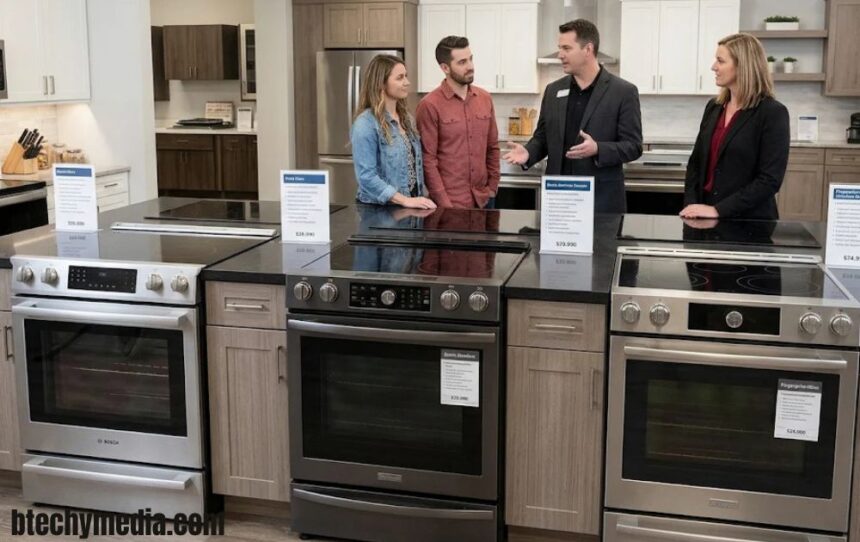
Slide in electric ranges are designed to combine practical cooking performance with an attractive, built-in kitchen appearance. Unlike traditional freestanding stoves, these appliances fit between kitchen cabinets and countertops, creating a more integrated look. Their controls are generally positioned at the front, leaving the backsplash area visible and giving the kitchen a cleaner appearance. Many homeowners choose this style when updating their kitchens because it offers a balance of modern design, everyday convenience, and useful cooking features. Available in different finishes, oven capacities, and cooktop configurations, slide-in electric ranges can accommodate various household needs. Whether you prepare simple weekday meals or enjoy cooking elaborate dishes, these appliances provide several options worth considering.
What Makes a Slide-In Range Different?
The main difference between a slide-in range and a traditional freestanding model is its construction and installation design. A slide-in appliance is intended to sit between cabinets, with its cooktop edges often overlapping the surrounding countertops for a more continuous appearance. Most models do not have a large rear control panel, which allows homeowners to display decorative backsplashes without obstruction. Their front-mounted controls also make it easier to adjust cooking settings without reaching over hot cookware. However, some models have unfinished sides, meaning they are best suited to spaces where cabinets surround the appliance. Before purchasing one, homeowners should check the manufacturer’s installation requirements to make sure the selected model fits their kitchen properly.
How Electric Slide-In Ranges Work
Electric slide-in ranges use electrical heating elements to cook food on the cooktop and inside the oven. Traditional radiant models transfer heat through electric elements beneath a smooth ceramic or glass surface, while induction models use electromagnetic energy to heat compatible cookware directly. The oven operates through electric heating elements, which generate the temperatures needed for baking, roasting, and broiling. Depending on the model, additional technologies such as convection fans help distribute hot air throughout the oven cavity. Digital displays, temperature settings, and cooking timers make it easier to manage different recipes. These appliances generally require a dedicated electrical connection, so checking voltage, amperage, and local electrical requirements is essential before installation.
Key Benefits of Slide In Electric Ranges
Slide in electric ranges offer modern styling, convenient cooking features, and reliable performance for everyday kitchen needs.
- Modern Design: Creates a sleek, seamless appearance that complements contemporary kitchens.
- Easy-to-Use Controls: Front-mounted controls provide convenient access to cooking settings.
- Simple Cleaning: Smooth cooktop surfaces make everyday cleaning easier.
- Versatile Cooking: Multiple heating elements support different cooking styles and cookware sizes.
- Advanced Features: Many models include convection baking, self-cleaning, air frying, and smart controls.
A Modern and Seamless Kitchen Appearance
Kitchen appliances contribute significantly to the overall appearance of an interior, and slide-in ranges offer a particularly polished design. Their low-profile construction allows the appliance to blend naturally with surrounding cabinetry rather than appearing like a separate freestanding unit. Because most models do not have a traditional raised backsplash panel, they leave more room for decorative tiles, stone finishes, and other wall treatments. Stainless steel finishes provide a professional appearance, while black and white options can complement different kitchen color schemes. Some models also feature streamlined handles and minimal control panels that enhance their contemporary styling. For homeowners planning a kitchen renovation, this design can help create a coordinated space without necessarily requiring a separate built-in cooktop and wall oven.
Convenient Front-Mounted Controls
Front-mounted controls are another important advantage of slide-in electric ranges. Instead of placing the primary controls on a raised rear panel, manufacturers position them along the front or upper front section of the appliance. This arrangement makes temperature adjustments and cooking selections more accessible during everyday use. It also keeps the backsplash area open, allowing homeowners to maintain a consistent kitchen design. Depending on the appliance, controls may include physical knobs, touch-sensitive panels, or digital displays. However, front controls require careful consideration in households with young children because accidental contact can change settings or activate certain functions. Choosing a model with an appropriate control lock or safety feature can help address this concern.
Easy Cleaning and Maintenance
Cleaning is an important part of maintaining any kitchen appliance, and smooth-top electric ranges can make routine care more manageable. Their flat cooking surfaces do not have traditional removable burner grates, so spills can often be wiped away once the cooktop has cooled. Many models also feature self-cleaning oven programs that use high temperatures to reduce baked-on food residue to ash. Other appliances provide steam-cleaning options for lighter cleaning tasks. Homeowners should use cleaning products specifically recommended by the manufacturer to avoid scratching or damaging the glass surface. Regularly wiping spills, cleaning the oven door, and checking the cooktop for residue can help preserve the appliance’s appearance and maintain its performance over time.
Important Features to Consider
Choosing the right slide-in electric range involves looking beyond its exterior design. Different appliances offer different combinations of cooking elements, oven capacities, heating technologies, and convenience functions. Some models focus on straightforward everyday cooking, while premium options include advanced convection systems, air fry settings, and connected controls. It is helpful to consider how frequently you cook, how many people you usually prepare meals for, and which cooking methods you use most often. A household that regularly bakes large dishes may need a different oven configuration from someone who mainly prepares quick meals. Comparing specifications carefully helps ensure that the appliance provides useful features instead of unnecessary extras.
Cooktop Elements and Heating Performance
Cooktop performance depends on the number, size, and power of the available heating elements. Many electric slide-in ranges include four or five cooking zones, although configurations vary by manufacturer and model. Some elements offer adjustable sizes, allowing one cooking zone to accommodate both small saucepans and larger cookware. Higher-powered elements can heat suitable cookware more quickly, while lower settings support gentle cooking and simmering. Certain models also include a warming zone that helps keep prepared dishes at a suitable serving temperature. When comparing appliances, examine the element wattages and available temperature settings rather than relying only on the number of cooking zones. This information provides a clearer understanding of how the cooktop may perform during regular meal preparation.
Oven Capacity and Convection Technology
Oven capacity determines how much food you can prepare at one time, making it an important consideration for families and frequent entertainers. Many standard slide-in electric ranges offer oven capacities around five to six cubic feet, although individual specifications differ. A larger interior can accommodate multiple dishes, larger roasting pans, and baking trays. Convection technology adds another useful advantage by circulating heated air through the oven cavity with a fan. This airflow can support more consistent cooking and may reduce cooking times for certain recipes. Some premium appliances provide true convection systems with an additional heating element near the fan. Before choosing a model, consider your typical baking dishes, preferred cooking methods, and available rack positions.
Self-Cleaning and Air Fry Functions
Modern slide-in electric ranges often include specialized functions designed to make cooking and maintenance more convenient. Self-cleaning programs use high temperatures to break down stubborn oven residue, while steam-cleaning functions generally provide a lower-temperature option for lighter messes. Air fry settings use circulating hot air to create crisp textures with less added oil than traditional deep frying. Some models also include dedicated pizza, frozen food, roasting, and keep-warm settings. These functions can be helpful, but their availability and performance vary between appliances. Homeowners should review the manufacturer’s instructions to understand how each program works and whether special accessories are required. Choosing functions that match your actual cooking habits is more valuable than paying extra for features you rarely use.
Smart Controls and Connectivity
Smart technology has become an increasingly visible feature in modern kitchen appliances. Selected slide-in electric ranges include Wi-Fi connectivity, allowing users to monitor certain cooking settings through a compatible smartphone application. Depending on the model, connected features may provide cooking notifications, remote monitoring, or access to additional cooking instructions. Digital displays can also make it easier to select oven temperatures, set timers, and monitor cooking progress. Some appliances offer voice-assistant compatibility through supported smart home platforms. However, connected functions should be considered an additional convenience rather than the main reason to purchase a range. Homeowners should check app compatibility, connectivity requirements, and available safety restrictions before relying on remote features.
Different Types of Slide In Electric Ranges
Not all slide-in electric ranges use the same cooking technology. The two major options homeowners commonly compare are radiant electric and induction models. Both use electricity, but they transfer heat differently and offer different cooking experiences. Radiant ranges heat the cooking surface before transferring energy to the cookware, while induction appliances use electromagnetic energy to heat compatible pots and pans directly. Their differences affect heating speed, temperature responsiveness, cookware compatibility, and cleaning requirements. Understanding these distinctions can help homeowners select an appliance that matches their budget and preferred cooking style. The best option depends on how you prepare meals and which features matter most in your kitchen.
Radiant Electric Ranges
Radiant electric ranges use heating elements positioned beneath a smooth glass-ceramic cooktop. When an element is activated, it heats the cooking surface, which then transfers heat to the cookware placed above it. These appliances are popular because they offer a relatively simple cooking system and work with a wide range of flat-bottomed cookware. Their smooth surfaces also provide a contemporary appearance and make everyday cleaning more convenient. However, radiant elements generally take time to heat up and cool down, so temperature adjustments may not happen immediately. The cooktop can also remain hot after cooking has stopped. Homeowners should follow the manufacturer’s safety guidance and avoid placing objects on the surface while it is still hot.
Induction Slide-In Ranges
Induction slide-in ranges use electromagnetic technology to heat compatible cookware directly instead of relying on a conventional heated surface. This approach can provide faster heating and more responsive temperature adjustments compared with traditional radiant electric cooking. The cooktop surface surrounding the cookware generally remains cooler, although residual heat from the pan can still make it warm. Induction models also offer precise temperature control, which can be useful for preparing delicate sauces or cooking meals that require consistent heat. However, they require compatible magnetic cookware, so some existing pots and pans may need replacement. Although induction models can cost more initially, their speed, responsiveness, and efficient heating make them an attractive option for many modern kitchens.
Slide-In vs. Freestanding Electric Ranges
Both slide-in and freestanding electric ranges can provide dependable cooking performance, but their designs serve different kitchen layouts. Slide-in models are intended to fit between cabinets and create a more integrated appearance, while freestanding appliances have finished sides that allow greater placement flexibility. Their control arrangements also differ, with slide-in models generally using front controls and freestanding models often featuring a rear control panel. Installation requirements and overall costs can vary depending on the appliance and kitchen configuration.
| Feature | Slide-In Electric Range | Freestanding Electric Range |
| Design | Integrated, built-in appearance | Traditional standalone appearance |
| Controls | Usually front-mounted | Often rear-mounted |
| Side panels | May be unfinished | Usually finished |
| Installation | Requires careful fitting | Generally more flexible |
| Backsplash | More visible | May be partially covered |
| Cleaning | Smooth edges and surfaces on many models | Depends on the design |
| Price | Often more expensive | Usually more budget-friendly |
A slide-in model may be a better choice for homeowners prioritizing kitchen aesthetics and a streamlined layout. A freestanding range can be more practical for people who want easier replacement options and greater flexibility when arranging appliances. The best decision depends on the available space, installation requirements, and preferred appearance.
How to Choose the Right Slide-In Electric Range
Selecting the right appliance becomes easier when you understand your kitchen’s dimensions and your everyday cooking requirements. Start by measuring the available space between the cabinets, including the opening width, countertop depth, and floor-to-counter height. Many slide-in ranges are designed around a standard 30-inch width, but the exact dimensions differ between manufacturers.
When comparing different models, pay attention to the following considerations:
- Available space: Measure the kitchen opening and verify the appliance dimensions.
- Cooking technology: Decide between radiant electric and induction heating.
- Oven capacity: Choose an interior size that accommodates your regular cooking needs.
- Cleaning functions: Compare self-cleaning and steam-cleaning options.
- Safety features: Look for control locks, hot-surface indicators, and automatic shutoff where available.
- Warranty coverage: Review the manufacturer’s warranty and available service support.
Another important factor is the appliance’s electrical compatibility. Electric ranges commonly require a dedicated 220–250-volt supply, with some models specifying a 40- or 50-amp circuit. However, electrical requirements vary, so always consult the product installation manual before making a purchase.
Installation and Maintenance Tips
Proper installation helps a slide-in electric range operate safely and fit naturally into your kitchen design. Before installation, check the manufacturer’s measurements for cabinet openings, countertop overhangs, ventilation clearances, and electrical connections. The appliance should sit securely and level with the surrounding surfaces. Some models include rear filler strips or trim pieces to create a finished appearance, while others may require additional countertop adjustments. Because slide-in ranges can have different installation requirements, following the manufacturer’s instructions is essential. A professional installer can also check the electrical connection, secure the appliance, and confirm that the range operates correctly before regular use.
Are Slide In Electric Ranges Worth Buying?
Slide-in electric ranges can be a worthwhile investment for homeowners who want a combination of contemporary styling, convenient controls, and practical cooking features. Their integrated appearance can make a kitchen feel more organized, while their electric cooktops and ovens provide several options for preparing everyday meals. Many models also offer useful additions such as convection cooking, adjustable heating elements, warming zones, and self-cleaning programs. Induction versions provide another option for households that prioritize responsive heating and precise temperature control. However, the higher purchase price and more specific installation requirements may not suit every budget or kitchen. Comparing the appliance’s features, dimensions, energy requirements, and warranty coverage can help determine whether the investment makes sense.
Conclusion
Slide in electric ranges offer an appealing combination of modern design, convenient operation, and versatile cooking performance. Their streamlined construction, front-mounted controls, and smooth cooktop surfaces make them an excellent option for homeowners who want to improve their kitchen’s appearance and functionality. From traditional radiant models to advanced induction appliances, there are options for different cooking preferences and budgets. Features such as convection baking, air frying, self-cleaning programs, and smart connectivity can provide additional convenience. Before making a purchase, compare appliance dimensions, electrical requirements, oven capacity, and available features. Choosing the right slide-in electric range can make everyday cooking more enjoyable while adding a polished touch to your kitchen.
FAQs About slide in electric ranges
1. What is a slide-in electric range?
A slide-in electric range is a kitchen appliance designed to fit between cabinets and provide an integrated appearance with front-mounted cooking controls.
2. Are slide-in electric ranges better than freestanding models?
Slide-in models offer a more streamlined appearance, while freestanding ranges generally provide greater installation flexibility and may cost less.
3. What size is a standard slide-in electric range?
Many residential slide-in electric ranges are approximately 30 inches wide, although exact dimensions vary by manufacturer and model.
4. Do slide-in electric ranges require special installation?
They may require specific cabinet clearances, countertop measurements, and electrical connections, so checking the manufacturer’s installation instructions is important.
5. Are induction slide-in ranges worth the investment?
Induction ranges can be worth considering because they provide fast heating, responsive temperature control, and efficient energy transfer to compatible cookware.