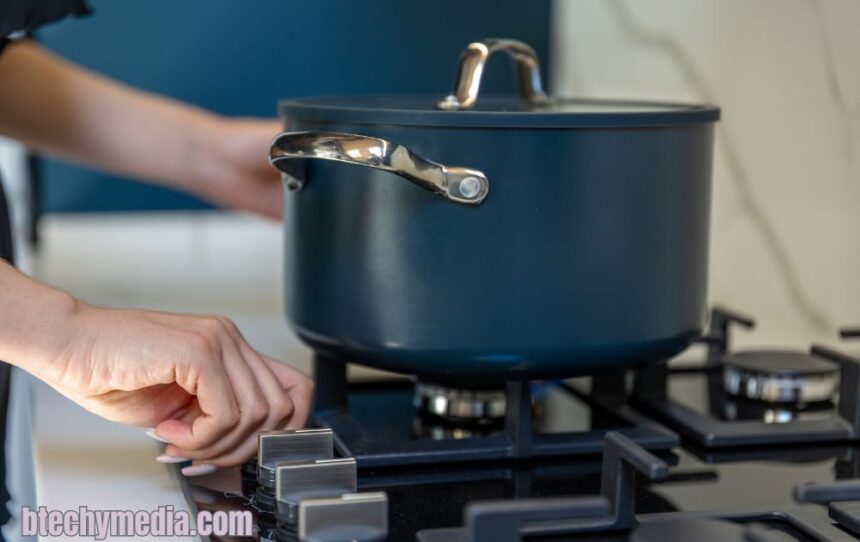
Choosing the right gas cooktop 30 inch can make everyday cooking more convenient, efficient, and enjoyable. Its compact design fits well into many modern kitchens while providing enough cooking space for preparing multiple dishes. With options such as powerful burners, precise simmer controls, sealed burners, and durable grates, these cooktops can suit a wide range of cooking needs. This guide explores the key features, benefits, installation considerations, safety factors, and buying tips to help you choose the right 30-inch gas cooktop for your kitchen.
What Is a 30 Inch Gas Cooktop?
A gas cooktop 30 inch is a built-in cooking appliance designed to fit a standard 30-inch kitchen space while using gas burners to produce direct heat. Unlike a freestanding gas range, a cooktop is installed directly into the countertop and can be paired with a separate wall oven or used with another oven arrangement. This format is popular because it gives homeowners a dedicated cooking surface without taking up the floor space required by a complete range. Current 30-inch models commonly measure about 30 inches across and around 21 inches deep, although the exact dimensions and countertop cutout vary by manufacturer. For example, GE lists a 30-inch model measuring 30 inches wide by 21 inches deep, while Dacor lists a 30-inch model with a 21-inch depth.
Standard Size and Countertop Fit
The phrase 30 inch gas cooktop describes the appliance’s overall nominal width, not necessarily the size of the opening that must be cut into your countertop. This distinction is extremely important when replacing an existing appliance or designing a new kitchen. A Samsung 30-inch model, for example, has an overall width of 30 inches but specifies a cutout of approximately 28.5 inches wide by 19.625 inches deep. GE similarly lists a 28.5-inch cutout width for its 30-inch cooktop. Always use the exact installation manual for the model you choose before cutting stone, quartz, laminate, or another countertop material.
Why Choose a 30 Inch Gas Cooktop?
A 30 inch gas cooktop offers a useful balance between cooking capacity and kitchen space. It is large enough for everyday meal preparation while remaining compact enough for many standard kitchen layouts. Gas also gives cooks immediate visual feedback because the flame shows when heat is being applied, making it easier to adjust temperature during frying, sautéing, simmering, and boiling. Modern cooktops can include several burner sizes so you can match the flame to the cookware rather than using the same heat level for every task. Depending on the model, a 30-inch cooktop may have four or five burners, with some premium designs offering high-output burners exceeding 20,000 BTU.
Cooking Performance and Flexibility
Cooking flexibility depends less on the overall width and more on how intelligently the burners are arranged. A good cooktop should provide at least one powerful burner for rapid boiling or searing, one low-output burner for delicate sauces, and additional medium burners for routine cooking. Some current models provide impressive differences between their burners; for instance, GE’s 30-inch cooktop includes a 15,000 BTU power-boil burner and a dedicated precise simmer burner. This combination means you can prepare multiple dishes at different temperatures without constantly moving pans around.
Key Features to Look For
When comparing a gas cooktop 30 inch, look beyond its appearance and advertised burner count. Consider burner power, simmer control, grate construction, ignition, cleaning features, fuel compatibility, control placement, and installation requirements. Sealed burners are particularly useful because they help contain spills around the burner area and simplify routine cleaning. Continuous cast-iron grates can also make cooking more convenient because cookware can slide between burners without being lifted completely. Current models from Samsung and GE, for example, use sealed burners and continuous cast-iron grate designs.
Burner Power and BTU Ratings
BTU ratings indicate the heat output of a gas burner, but the highest number is not automatically the best choice for every household. A powerful burner is useful when you need to boil water quickly, sear meat, stir-fry, or use larger cookware, while a lower-output burner gives you better control for simmering and delicate cooking. The ideal arrangement combines different burner strengths rather than providing identical high-output burners. Some premium 30-inch cooktops now offer burners around 18,500 to 24,000 BTU, while more conventional models often use power burners in the 15,000–17,000 BTU range.
Sealed Burners and Continuous Grates
Sealed burners are designed to make everyday cleanup easier by keeping food and liquid from entering areas beneath the burner assembly. Continuous grates create a broad cooking surface, which is especially useful when you frequently move heavy pots or pans from one burner to another. Dishwasher-safe grates can reduce cleaning effort even further, although you should always follow the manufacturer’s care instructions. GE, Samsung, and several premium manufacturers offer combinations of sealed burners and continuous cast-iron grates in their 30-inch models.
Four Burners vs. Five Burners
The choice between four and five burners depends on your cooking habits and how much usable space you want between pans. A four-burner layout can provide more generous spacing around larger cookware, while five burners can give you additional flexibility when preparing several dishes simultaneously. Five-burner models are particularly attractive for families and people who regularly cook complete meals with multiple pots and pans. LG, for example, lists a five-burner 30-inch cooktop with a 24,000 BTU center burner, while Fisher & Paykel offers a four-burner 30-inch model with burners rated up to 20,000 BTU.
| Feature | Four-Burner Cooktop | Five-Burner Cooktop |
| Cooking zones | 4 | 5 |
| Pan spacing | Often more generous | Can be tighter |
| Best for | Small to medium households | Frequent multi-dish cooking |
| Large cookware | Generally easier to position | Depends heavily on layout |
| Flexibility | Very good | Excellent when spacing is well designed |
Natural Gas and LP Gas Options
Fuel compatibility should be checked before purchasing any gas cooktop 30 inch. Many models are designed for natural gas but can be converted to liquid propane using an appropriate conversion kit, while others may be sold in configurations supporting both fuel types. Samsung lists natural gas and LP compatibility for its 30-inch model, while LG documentation also identifies natural gas and LP gas as available fuel sources. The conversion should be performed according to the manufacturer’s instructions and local requirements rather than treated as a simple homeowner adjustment.
Choosing the Right Fuel Type
If your home already has a suitable natural-gas connection, a natural-gas cooktop may be the most straightforward choice. If your property relies on propane, choose a compatible LP model or verify that the appliance includes an approved conversion kit. Never assume that two gas types can be interchanged without proper adjustment because burner performance and gas pressure requirements can differ. Before installation, confirm the fuel type, connection specifications, pressure requirements, and conversion instructions in the manufacturer’s documentation.
Installation Requirements
Installing a 30 inch gas cooktop requires more than simply placing the appliance into a countertop opening. You need to consider the exact cutout size, cabinet dimensions, gas connection, electrical supply, ventilation, countertop material, and required clearances. Manufacturer specifications demonstrate why measurements cannot be guessed: one Samsung model lists a 30-inch overall width but a 28.5-inch cutout, while Dacor lists a 30-inch width and 21-inch depth. A qualified installer should verify the installation instructions before making permanent modifications.
Countertop Cutout and Clearances
The countertop opening must match the manufacturer’s installation diagram rather than the nominal 30-inch product width. Clearances around walls, cabinets, backsplashes, and ventilation equipment can also affect whether the appliance is suitable for your kitchen. These requirements vary considerably between products, so copying dimensions from another cooktop is risky. Even professional-looking installations can create problems if the cooktop lacks the required clearance or if the gas and electrical connections are positioned incorrectly.
Ventilation for Gas Cooking
Good ventilation is an important part of a gas-cooking setup because cooking creates heat, smoke, grease, odors, and combustion-related emissions. A properly sized range hood or ventilation system can help remove these byproducts from the kitchen rather than allowing them to accumulate indoors. Ventilation requirements vary by cooktop and installation, so the manufacturer’s recommendations should be checked carefully. Fisher & Paykel, for example, lists a recommended 600 CFM ventilation figure for one of its 30-inch professional gas cooktops.
Cleaning and Maintenance
A quality gas cooktop 30 inch should be easy to maintain because cooking naturally creates splashes, grease, and food residue. Wipe spills after the surface has cooled, clean burner components according to the manufacturer’s instructions, and regularly inspect the flame pattern for anything unusual. Removable grates and dishwasher-safe components can make routine maintenance easier, while sealed burners reduce the areas where food can collect. Avoid abrasive cleaners or tools unless the manufacturer specifically recommends them, especially on stainless steel or coated surfaces.
Safety Features to Consider
Safety should be part of the buying decision rather than an afterthought. Look for dependable ignition, stable grates, clearly marked controls, and features such as flame-sensing or gas-lock functions where available. Some modern models include additional safety features; LG, for example, lists gas lock and child lock on one of its 30-inch cooktops, while JennAir lists flame-sensing re-ignition on a 30-inch gas rangetop. Professional installation and proper ventilation are equally important because even an advanced appliance depends on correct setup to operate safely.
Stainless Steel vs. Other Cooktop Finishes
Stainless steel remains a popular finish because it works with many kitchen styles and pairs easily with other appliances. Black, enamel, and other finishes can provide a different visual effect and may hide certain marks more effectively depending on the surface. The best choice comes down to your kitchen design, cleaning habits, and preference for visible fingerprints or water spots. When comparing finishes, focus on the complete construction rather than color alone, including the burner design, grate material, controls, and ease of maintenance.
How Much Does a 30 Inch Gas Cooktop Cost?
The price of a gas cooktop 30 inch can vary substantially depending on brand, burner configuration, materials, smart features, and professional-style construction. Current retail examples show how wide the range can be: Samsung lists one 30-inch gas cooktop at $599 during a displayed promotion, while premium models can offer substantially higher burner output and specialized features. The purchase price is only one part of the total cost because installation, gas-line work, ventilation, countertop modification, and accessories may add to the final budget.
Pros and Cons of a 30 Inch Gas Cooktop
A 30-inch gas cooktop is appealing because it combines direct heat with a relatively compact built-in format. It can provide strong cooking performance without requiring a full-size range, making it particularly useful when paired with a separate wall oven. On the other hand, gas cooking requires appropriate ventilation and professional installation, and the countertop cutout must be carefully matched to the selected appliance. The following summary can help you weigh the major advantages and limitations.
| Pros | Cons |
| Direct and responsive flame control | Requires a gas connection |
| Compact built-in design | Needs appropriate ventilation |
| Available with powerful burners | Requires careful installation |
| Four- and five-burner options | Grates can be heavy to clean |
| Works well with separate wall ovens | Fuel conversion may require professional service |
| Many modern safety features | Countertop cutout must match the model |
How to Choose the Right Model
Choosing the best gas cooktop 30 inch starts with your kitchen rather than with the appliance’s feature list. Measure your available space, identify your fuel type, determine whether you need four or five burners, and think about the cookware you use most often. Then compare burner output, simmer performance, grate design, controls, cleaning features, warranty coverage, and installation requirements. A high-BTU burner may sound impressive, but balanced performance and practical spacing can matter more in everyday cooking.
Conclusion
A gas cooktop 30 inch can be an excellent choice for homeowners who want responsive gas cooking in a streamlined built-in format. The best model should provide a sensible combination of burner power, simmer control, durable grates, easy cleaning, reliable ignition, safety features, and suitable fuel compatibility. Current 30-inch models show that shoppers can choose from four- or five-burner layouts, conventional power burners, and premium high-output designs. Before buying, focus on the exact cutout dimensions and installation requirements rather than relying only on the advertised 30-inch size.
FAQs About gas cooktop 30 inch
1. What is the standard size of a 30 inch gas cooktop?
Most 30-inch gas cooktops are approximately 30 inches wide, but the required countertop cutout is usually smaller and varies by model.
2. Is a 30 inch gas cooktop large enough for a family?
Yes, a 30-inch cooktop can work well for families, especially when it has five burners and well-designed pan spacing.
3. How many BTUs should a gas cooktop have?
A balanced model should include different burner outputs, with a powerful burner for boiling and searing and a lower-output burner for simmering.
4. Can a 30 inch gas cooktop use propane?
Many models support LP conversion, but compatibility and conversion requirements depend on the specific appliance.
5. Do gas cooktops require ventilation?
Proper ventilation is strongly recommended for gas cooking, and the required system should follow the cooktop manufacturer’s installation guidance.